The Growth and Popularity of Kabaddi
Published 17 May 2026
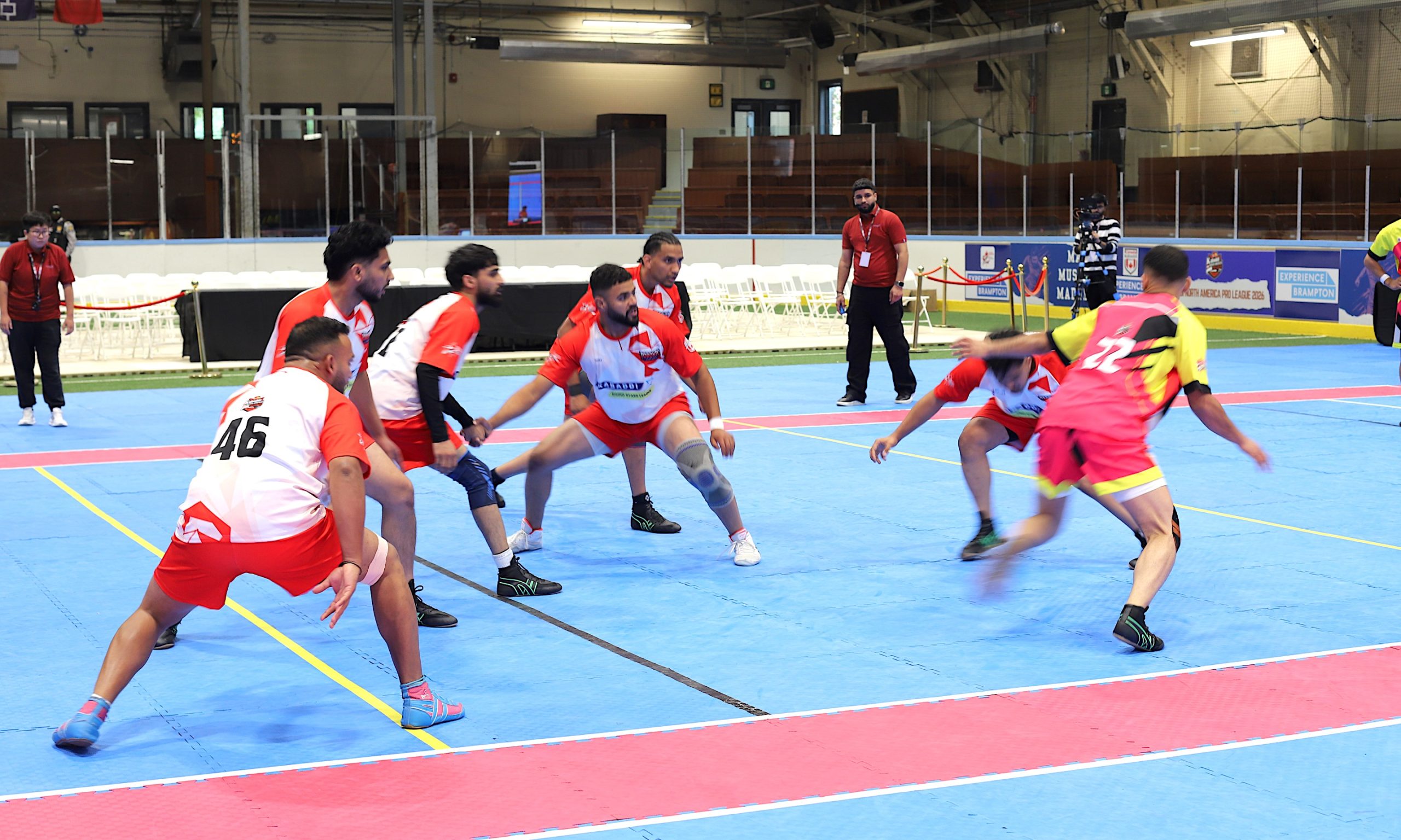
Once confined to village grounds and local festivals, kabaddi has grown into a widely popular and professionally organized sport. In recent decades, it has attracted millions of fans, talented athletes, and big‑budget leagues, turning what was once a rustic pastime into a major spectator event. This growth is especially visible in India, which remains the heartland of kabaddi, but the sport is also spreading to other countries.
The rise of national and international kabaddi federations played a key role in standardizing the game. Bodies such as the Amateur Kabaddi Federation of India and the Asian Kabaddi Federation brought uniform rules, official tournaments, and coaching structures. With clear regulations in place, schools, colleges, and clubs could organize proper competitions, which helped identify and nurture young talent from an early age.
Kabaddi’s inclusion in the Asian Games gave it a major boost on the global stage. From 1990 onwards, kabaddi became a recognized medal sport in the multi‑national event, where India, Iran, South Korea, and other nations regularly send strong teams. The presence of kabaddi in such a prestigious competition helped raise its status and encouraged more countries to invest in training and infrastructure.
The biggest change in kabaddi’s popularity came with the launch of professional leagues. Leagues such as the Pro Kabaddi League in India transformed the sport culturally and commercially. Star players such as Anup Kumar, Pardeep Narwal, and Surender Nada became household names, drawing large crowds and television viewership. Match broadcasts, sponsorships, and merchandise created a sports‑entertainment ecosystem similar to cricket or football. At the grassroots level, kabaddi continues to play an important role in community life. In villages and small towns, people still play informal matches during festivals and local celebrations. These games help preserve traditional skills and foster social bonding. Schools and colleges organize inter‑school and inter‑university tournaments, giving students a platform to compete and develop discipline and teamwork.
Kabaddi also promotes physical fitness and mental toughness. The sport demands quick thinking, courage, and cooperation, qualities that benefit players beyond the court. For many, it is a way to stay healthy, build confidence, and even pursue a career through professional leagues and national‑team selections. As kabaddi continues to grow, more countries are establishing national teams and training centres. International friendlies and championships are becoming common, and the sport is being introduced in schools abroad. With its unique blend of tradition and thrill, kabaddi is likely to remain a beloved and evolving sport for generations to come.